
1.1 Introduction
In 2009, Denmark introduced mandatory language assessment of children in grade 0 (age 6). In this research project we look at the policy change using a multi-method approach.
We conduct a quantitative analysis to examine possible long-term effects of this policy initiative on educational outcomes. Specifically, we investigate whether language assessment mitigated educational inequalities by differentially influencing outcomes across students’ background characteristics: parental income, parental education, and immigrant status).
Consequently, we define inequality as differences in effects of mandatory language assessment for different groups of students which we know from prior research are educationally disadvantaged (e.g., Analyse & Tal, 2024; Jakobsen & Liversage, 2010; Rangvid, 2007; Trygfondens Børneforskningscenter & Rambøll, 2015).
For instance, if mandatory language assessment affects educational outcomes equally for students with different parental backgrounds in relation to socio-economic status, educational background, or immigrant status, respectively, educational inequality will be unaffected. Educational results are measured as children’s grade point average (GPA) from lower secondary school (9th grade: ISCED 2).
In addition, we look at the policy change using qualitative approaches consisting of a media analysis and interviews. The interviews supplement the quantitative analysis by focusing on how the mandatory language assessment has been implemented and developed over time. Further, the media analysis shows how the policy reform was portrayed in terms of social implications in the media.
The chapter is structured in the following way: first, an overview of the wider national context is provided as well as more detailed policy introduction. This is followed by a literature review relating to the reform in focus here and the research questions that have guided these examinations. The methods section will describe the chosen methods relating to our quantitative data analysis, the interviews, and the media analysis. The chapter then presents the results of the quantitative and qualitative analysis, and finally, the combined findings are briefly discussed and concluded.
1.2 National Context
In 2009, Denmark implemented a nationwide policy reform requiring that all children enrolled in Grade 0 – the first year of compulsory schooling – undergo a standardised language assessment. The reform marked a major institutional shift in Danish early education, motivated by a political ambition to reduce social inequality through earlier detection of learning needs and more timely pedagogical support (Ministry of Education, 2008). Rather than introducing a new practice, the reform sought to formalise and harmonise existing language assessment procedures, which had until then been unevenly implemented across municipalities and schools.
Before the reform, there was no national requirement to conduct language assessments at school entry. However, a national survey by the Danish Evaluation Institute (EVA, 2011) found that approximately 60% of schools were already conducting some form of language screening in Grade 0 prior to the reform.
These assessments varied significantly in purpose, quality, and follow-up, and some were part of broader pedagogical observations, while others involved more structured tools – but with no consistent criteria or national oversight. As a result, children’s access to early language support was largely determined by local policy or individual school practices, contributing to disparities in early educational opportunities.
The 2009 reform aimed to address these differences by standardising the timing and content of language screening across all public schools. Although the law did not mandate use of a specific assessment tool or procedure, it required that the results of the screening be documented and integrated into each child’s individual learning plan (elevplan).
The goal was to ensure that all schools systematically assessed language development and used the results to inform pedagogical decisions. In practice, however, implementation continued to vary across municipalities, especially regarding how the results were followed up. Private schools, which educate approximately 15% of Danish children, were not covered by the reform and remained free to choose whether and how to conduct such assessments (EVA, 2011).
This reform must be understood within a broader policy shift in Denmark and internationally towards early intervention and school readiness. Drawing on research from developmental psychology and economics, Danish policymakers increasingly emphasised the importance of early language development as a foundation for later educational success and social mobility (Heckman, 2006).
The Ministry of Education explicitly positioned the language assessment reform as part of a strategy to “level the playing field” for children from different social backgrounds by reducing the gap in preparedness at school entry (Ministry of Education, 2008).
In sum, the 2009 policy reform institutionalised a national expectation for early identification of language difficulties and provided a framework for more equitable educational support at the start of compulsory schooling. While its legal mandate applied only to public schools and left some implementation details to local discretion, the reform marked a turning point in the Danish approach to addressing inequality through early educational intervention.
1.3 Country Based Literature Review
A growing body of Danish research has investigated the role of early language skills in shaping children’s educational trajectories and the potential of early interventions to mitigate social inequality. Language development in the early years is widely recognised as a critical foundation for later academic achievement, especially in literacy and comprehension (Bleses et al., 2018). However, studies consistently show that children’s language competencies at school entry are strongly stratified by social background.
Children from low-income families, those whose parents have limited education, and children from immigrant backgrounds are at greater risk of language delays and less likely to receive adequate support (Gupta & Simonsen, 2010; Hansen & Broström, 2011).
Several studies have evaluated the effectiveness of early language interventions in Denmark. The SPELL programme – a large-scale randomised intervention – found that early literacy skills can be improved through structured pedagogical activities, particularly when educators are trained in implementation (Bleses et al., 2021).
Importantly, the authors noted that effects varied across groups: children from immigrant and low-income backgrounds showed differential gains, suggesting both the promise and the complexity of early interventions as tools for equity.
Other studies have explored the broader impact of early childhood education on academic outcomes. Using administrative register data, Gupta and Simonsen (2016) examined the long-term effects of early childhood centre-based care and found positive impacts on test scores in later schooling.
These effects were particularly strong for children from disadvantaged backgrounds, supporting the notion that early institutional support can mitigate some of the effects of socioeconomic inequality. Their findings align with international research emphasising that early interventions are most cost-effective and impactful when targeted at children with elevated risk factors (Heckman, 2006; Cunha et al., 2010).
Despite these insights, there remains limited evidence on the long-term effects of Denmark’s reform that instituted mandatory language assessment. Some cohort-based studies suggest that early improvements in language skills may not always translate into long-term academic benefits, especially if not followed up with sustained support (De la Porte et al., 2022).
Furthermore, recent PISA data indicate improvements among students from non-Western immigrant backgrounds in Denmark, with narrowing performance gaps noted in 2022 compared to previous cycles (OECD, 2023). It remains, however, unclear whether these improvements reflect the impact of early interventions – such as the 2009 language assessment and compulsory Grade 0 – or broader structural and educational changes.
In sum, while early language interventions hold considerable promise for reducing
inequality in educational outcomes, their effectiveness depends on the quality of
implementation, the broader institutional context, and the capacity for sustained follow-up.
The 2009 Danish language assessment reform represents a step towards institutionalising early intervention but also raises important questions about variation in uptake and its long-term impact across different social groups. We contribute to this research agenda by looking at the 2009 change towards mandatory language assessment accounting for school differences to test the effect of the mandate on language assessment.
1.4 Research Questions
The analyses are guided by a common research aim integrating the different parts as well as three more specific research questions pertaining to the quantitative, qualitative and media analysis. The broad research aim is to investigate how the policy change introducing mandatory language assessments can be understood in light of its intentions, design and implementation as well as effects on educational inequality?
The quantitative part seeks to answer the following research questions:
What are the long-term effects of the mandatory language assessment on educational outcomes, measured as GPA by school leaving?
Did the policy change reduce socioeconomic disparities in long-term outcomes?
The interviews were guided by the following research question:
How were the design and implementation of the mandatory language assessment perceived and how are the test regime evaluated by relevant stakeholders.
The media analysis was conducted on the basis of the following research question:
To what extent does the media content found identify the language assessment as having positive or negative consequences?
Taken together, the three parts of the research design supplement each other. While the quantitative analysis evaluates the effects of the policy change, the interviews and media analysis contextualise the quantitative results in terms of justifying the intentions and the rationale underscoring the design and implementation as well as providing important information regarding the interpretation of (lack of) effects and possible mechanisms.
1.5 Methods
1.5.1 Research Design
In this study a multi-method approach was employed consisting of a quantitative analysis of register data and a combination of interviews and a media analysis laying out an evaluative perspective on the language assessment tests.
1.5.1.1 Quantitative Part
This study uses an Interrupted Time Series (ITS) design to assess the impact of a nationwide policy reform introduced in Denmark in 2009, which mandated language assessment of all children in Grade 0 (the first year of primary school). The primary outcome is academic achievement in Grade 9, measured as students’ final Grade Point Average (GPA).
The ITS approach allows us to estimate changes in the level and trend of academic performance before and after the reform, while accounting for pre-existing trajectories.
The ITS design leverages the temporal structure of the data to identify whether a significant shift in GPA occurred following the introduction of the reform. The key identification assumption is that, in the absence of the policy, the pre-reform trend in GPA would have continued unchanged.
We include school-cohort fixed effects to ensure that only within school-cohort variation across time is used and to control baseline differences between school-cohorts.
Accordingly, including school-cohort fixed effects strengthens causal identification.
In sum, our quantitative analysis strategy examines differences in outcome for 0 grade cohorts before and after 2009 within the same school.
1.5.1.2 Qualitative Part
Interviews
The interviews followed the interview guide developed in the STRIDE research project. The interview guide was translated into Danish and contextually adapted to align with the selected reform under analysis. Because the language assessment tests are designed solely to identify children in need of additional language support, we considered it relevant to use these interviews to gain deeper insight into how the assessments are subsequently applied. This includes understanding how they are used to tailor support to the identified needs of individual children. A question was therefore added to the interview guide, in which informants were asked about their knowledge concerning the subsequent initiatives, including whether and how such initiatives are subject to quality control.
We conducted a total of three interviews involving four informants. Although a ministerial gatekeeper served as an access point for identifying potential informants, we were unable to secure an interview with the department within the Ministry of Education responsible for policy development, due to limited availability at the department.
Instead, we established contact with an informant from the Styrelsen for Undervisning og Kvalitet (Department of Education and Quality; hereafter STUK) within the Ministry of Education. STUK advises institutions and municipalities on high-quality teaching and childcare, supervises the quality of all schools and educational institutions across the country, and contributes to ensuring that both ministerial services and sectoral guidance are grounded in the best available knowledge base. As the reform in question is ongoing, STUK holds day-to-day ministerial oversight. We interviewed an informant who has served as project leader for the implementation and evaluation of language assessments in preschools since 2018. Although the informant’s primary role pertains to preschools, the informant also possessed knowledge regarding the use of language assessments in primary schools.
The second informant is employed by Aarhus Municipality in the Department of Children and Youth and is responsible for all matters related to language assessment in primary schools. The informant has worked with children’s language development in the municipality since 2006 and has thus been involved with the language assessment practices both prior to and since the initial implementation of the reform. The informant provides guidance to school professionals conducting the assessments and serves as a liaison between the ministerial department (STUK) and school staff. In this capacity, the informant communicates the knowledge base for the language assessments developed by STUK and by the research institution, Trygfonden’s Centre for Child Research (TrygFondens Børneforskningscenter), responsible for the design and content of the assessments. Furthermore, the informant is responsible for implementing ongoing legal and technical updates to the assessments.
Informants 3 and 4 were interviewed together at the request of Informant 3. Both are employed at the research institution formally responsible for the academic development and evaluation of the language assessments (Trygfonden’s Centre for Child Research). Informants 1 and 2 both identified Informant 3 as the key researcher behind the academic development of the assessments since their initial implementation. Informant 3 led the development of the knowledge base, evaluation frameworks, and the design of the assessments throughout the years since the implementation of the reform. Informant 4 is a project leader at the institution and is partially responsible for communicating research findings on the language assessments to key stakeholders (e.g., schools, municipalities, the ministry). Both informants hold leading roles in relation to the language assessments and, through their work at the research institution, possess substantial knowledge of the policy development, implementation, and evaluation of the reform.
Table 1.1: Informants
| Informant | Place of Work | Expertise | Gender | Means of Identification |
| 1 | Ministry Department for Education and Quality (STUK) | National level: Implementation and Quality Assurance of Language Assessment Tests at Age 3; since 2017 | F | Through NSG gatekeeper |
| 2 | Municipality Department of Children and Youth | Local level: Implementation and Quality Assurance of Language Assessment Tests at Age 6; since 2006 | F | Through NSG gatekeeper |
| 3 | Research Institution (TrygFondens Børneforskningscenter) | Research leader and principal developer of the official language assessment tests; since implementation | F | Snowball sampling |
| 4 | Research Institution (TrygFondens Børneforskningscenter) | Research leader, Communication and Political Contact on the official language assessment tests; since implementation | F | Snowball sampling |
The composition of the group of interviewees meant that we expected to find less information on how the language assessment had been developed on the level of policymakers, but that we instead would find more information on how the language assessment tests had been implemented and developed in scope and content on a continuous basis.
Furthermore, as Informants 3 and 4 occupied institutional roles that positioned them as key stakeholders in the historical and ongoing development of the language assessment, we expected their perspectives to be generally positive. In contrast, Informants 1 and 2, by virtue of their more external vantage points, might be more likely to articulate potential critical perspectives.
Media Analysis: Language Assessments in Danish News (2007–2024)
The data for the media analysis was gathered using the Infomedia database, which contains Denmark’s largest media archive with articles stretching all the way back to 1990. The search comprised the 4 most important national newspapers: Jyllands-Posten, Politiken, Information, and Berlingske; and the two most significant tabloids: BT and Ekstra Bladet. The covered period was fixed to 01/01-2007 – 31/12-2024, which includes media entries from two years before the reform was enacted until the present. The reform is ongoing and has been updated several times since its first enactment, and the effect of the measures might be expected to emerge gradually, so we have chosen to include any mentions of the policy and its effects or consequences since its inception.
Roughly, the search string can be translated as follows:
language AND (assessment OR test) AND kindergarten AND class (sprogvurder* OR sprogtest*) AND børnehaveklasse*)
The search resulted in 102 hits out of which 16 were included while the rest was not, as they did not fit the scope of the research question of the media analysis. The distribution of the identified articles is shown in Table 1.2 below.
Table 1.2: Included Articles According to Newspaper
| Newspaper | Orientation | Hits |
| Jyllands-Posten | Broadsheet, right leaning | 3 |
| Berlingske | Broadsheet, right leaning | 5 |
| Politiken | Broadsheet, centre-left leaning | 6 |
| Information | Broadsheet, left leaning | 1 |
| Ekstra Bladet | Tabloid, centre-left leaning | 0 |
| BT | Tabloid, right leaning | 1 |
Source: Authors search on Infomedia.dk
Of the 16 included articles the first by Svane & Damsgård Andersen (2008) only mentions compulsory language assessment as one element in a more comprehensive reform of primary and lower secondary schools (ISCED 1 & 2) without otherwise going into any detail about the language assessments. Of the remaining 15 articles, two by Vestergaard (2011a; 2011b) mentions compulsory language assessment as one of several government initiatives intended to improve on what was seen as disappointing results of the PISA tests in Danish schools in the early 2000’s, but they do not examine in any detail the impact of language assessments in particular, so we exclude these from the analysis below as well.
The analysis thus concentrates on the remaining 13 articles of which five are concerned with the original language assessment policy from 2009 (Jessen, 2009; Mainz, 2014; Ejsing, 2017; Domino, 2017; Skovhus Larsen, 2023); and the last eight (Broström, 2018; Littauer, 2018; Nilson & Lund Kristiansen, 2018; Lund Kristiansen, 2018; Thuesen, 2018; Jespersen, 2019; Matthiessen, 2019; Weber, 2019) are about an amendment to the policy turning the language assessment into a test that must be passed to be able to enter 1st grade.
1.5.2 Data Analysis
1.5.2.1 Register Based Analysis
We use population-wide registry data from Statistics Denmark (Danmarks Statistik) including students who started grade zero between 2006 and 2012 in public schools. Students in private schools are excluded from the analysis, as these institutions were not subject to the mandatory assessment requirement. We exclude students who are younger than five and older than eight years old when they started grade 0.
The final analytic sample includes 369,962 students with no missing values on the variables used. Table 1.3 shows descriptive statistics for the sample used for analysis.
Table 1.3: Descriptive statistics for analytic sample
| Variable | Mean | SD | Min | Max |
| GPA (7-point scale) | 6.98 | 2.51 | -3 | 12 |
| GPA (standardised) | 0.00 | 1.00 | -4 | 2 |
| Age at school entry | 6.08 | 0.33 | 5 | 8 |
| Low parental education | 0.11 | 0.31 | 0 | 1 |
| Medium parental education | 0.69 | 0.46 | 0 | 1 |
| High parental education | 0.20 | 0.40 | 0 | 1 |
| School entry year | 2009.05 | 2.00 | 2006 | 2012 |
| Low income | 0.25 | 0.43 | 0 | 1 |
| Immigrant | 0.09 | 0.29 | 0 | 1 |
| Female | 0.49 | 0.50 | 0 | 1 |
| Mother unemployed | 0.19 | 0.39 | 0 | 1 |
| Observations | 369,962 |
Source: Authors’ computations using data from Statistics Denmark
Dependent variable
The main outcome is students’ GPA in Grade 9, originally recorded on the Danish 7-point grading scale. To facilitate comparison across cohorts and account for overall shifts in grading practices, GPA is standardised within entry cohorts, resulting in a z-score variable with mean 0 and standard deviation 1.
Independent variables
The main independent variable is school entry year which is the year the child started in grade 0. We have computed the school entry year by looking at the first time a child has been registered as a student in a primary school (Grundskole) based on the comprised student register (KOTRE). Based on the registry, twice as many students started school in 2007 based on the other school starting years and no students have been assigned in 2006.
Therefore, the group of students starting school in 2006 has an “inferred school starting age” based on the birth year. This means that 7-year-olds registered as attending school for the first time in 2007 have been assigned to school starting in 2006 as 6-year-olds. The remaining cohorts have been assigned to their actual school starting year based on the registry data. All subsequent variables are calculated based on the register-based school starting year. Cohorts entering grade 0 before 2009 will be unaffected by the mandatory language assessments while cohorts entering from 2009 and onwards are affected. The remaining independent variables fall into three categories.
First, to investigate differential effects of the reform across social groups, we include three key indicators of children’s socioeconomic background: parental education, parental income, and immigration background. These variables are defined in the year children are first registered as entering school.
- Parental income is measured using the equivalised disposable income, a standardised indicator developed by Statistics Denmark. This measure reflects the total disposable income of a household – after taxes and transfers – adjusted for household size and composition using the modified OECD equivalence scale. We use the income measure for the year the child entries school in 0 grade. We use a binary indicator for low-income which identifies children in the bottom quartile of the equivalised income distribution.
- Parental education is based on the highest completed level of education across both parents, as recorded in registers. We construct a three-level categorical variable:
- Low parental education: Neither parent has completed education beyond compulsory school (9th or 10th grade: ISCED 2).
- Medium parental education: At least one parent has completed upper secondary education or a vocational qualification (ISCED 3-4), but neither holds a tertiary degree.
- High parental education: At least one parent holds a degree from higher education (ISCED 5).
- Immigration background is categorised according to Statistics Denmark’s official definitions: (1) Immigrants: Children born abroad to parents who are also born abroad and not Danish citizens at birth, (2) Descendants: Children born in Denmark to immigrant parents, also foreign-born and non-citizens at the time of the child’s birth, and (3) Majority population: Children born in Denmark to at least one parent born in Denmark and holding Danish citizenship. For analytical purposes, immigrants and descendants are combined into a single immigrant background category, while the rest are considered part of the majority population.
Second, we control for student age at school entry, gender, and a dummy for whether the child’s mother is outside the work force (e.g., students, unemployed, retired).
Third, we include model specific controls in terms of (1) a continuous variable capturing linear change over school entry cohorts (time trend) and (2) an interaction between time and reform (post-reform trend) which captures whether trends changed after the reform. Finally, we include school-by-cohort fixed effects to account for unobserved school-level heterogeneity and cohort-specific conditions. Standard errors are clustered at the school-cohort level.
1.5.2.2. Interviews
The interviews were conducted as online interviews through Microsoft Teams. The interviews lasted between 40-60 minutes. All interviews were recorded with the application feature in Microsoft Teams and simultaneously transcribed with the built-in AI generated feature. All AI generated interview transcripts were subsequently adjusted manually according to the video recording as reference to check the validity of the transcripts.
Following this, we conducted a thematic analysis of the interviews deductively informed by the interview guide, grouping the interviewees’ responses according to the following categories reflecting the basic interests of the interview guide.
Table 1.4: Thematic overview of interview coding
| Thematic Categories | Description |
| “Relevant experience and job description” | Answers pertaining to the interviewee’s relevant experience and current job. |
| “Experience with focussing on inequality in Education” | Answers pertaining to the interviewee’s experience with working with inequality in Education. |
| “Experience with legislation” | Answers pertaining to the interviewee’s experience or knowledge on the legislative aspects of the reform in particular and inequality in education in general. |
| “Familiarity with Reform Milestones” | Answers pertaining to the interviewee’s knowledge with the development, implementation, and evaluation of the reform. |
| “Knowledge Base of Reform Development” | Answers pertaining to the interviewee’s acquaintance with the knowledge base for the development and implementation of the reform. |
| “Influential Stakeholders in Reform Development” | Answers pertaining to the interviewee’s knowledge of stakeholders who have influenced the development and/or implementation of the reform. |
| “Reform Success Evaluation” | Answers pertaining to the interviewee’s professional valuation of the success of the reform. |
| “Reform Challenges” | Answers pertaining to the interviewee’s assessment of significant challenges in the development and/or implementation of the reform. |
| “Advice for Future Policy Makers” | Answers pertaining to the interviewee’s recommendations for policymakers. |
| “Subsequent Language Support” | Answers pertaining to the interviewee’s knowledge on how and which measures is implemented after the language assessment test and the quality of these are ensured. |
Interviewee responses were tagged with the categories above, and all relevant passages were subsequently assigned with keywords that could provide further details on the content or positioning of the interviewee statements.
1.5.2.3 Media Analysis
We initially coded the media content according to how the policy was described in the articles in either positive, negative, or neutral terms. For each code, we then performed an inductive analysis to identify the following subthemes: early interventions (positive), equality of opportunity (positive), test design (negative), well-being (negative), resources (neutral), and collaboration (neutral).
1.6 Results
1.6.1 Results from register-based study
We present results from the quantitative analysis in two parts. First, we show results from our main model in which we estimate the average effect of mandatory language assessment on (standardised) GPA. Second, we investigate how mandatory language assessment affected educational inequality by analysing heterogeneous effects across students’ socioeconomic characteristics.
1.6.1.1 Main effect of mandatory language assessment
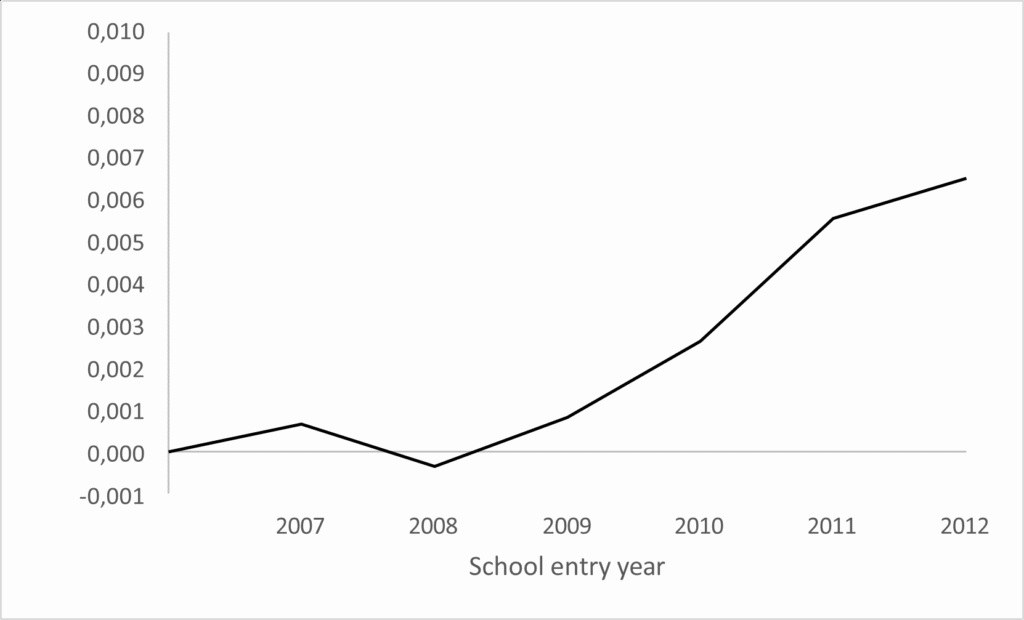
To descriptively assess the development in standardised GPA before and after the introduction of mandatory language assessment, Figure 1.1 plots mean standardised GPA by school entry year.
Figure 1.1: Development in average standardised GPA by school entry year
Source: Authors’ work using data from Statistics Denmark (N=369,962).
Note: Based on collapsed means of standardised GPA by school entry year. Reform introduced in 2009 (indicated by the vertical line).
The figure shows that standardised GPA increased from 2006 to 2012 and that this increase took off in 2008–2009, which was just around the introduction of mandatory language assessment.
To assess the overall impact of the introduction of mandatory language assessment on academic performance, we estimated a series of stepwise regression models using standardised GPA in Grade 9 as the outcome. Table A1 (appendix) presents our results from five models, ranging from a simple bivariate regression to a fully specified model with extensive controls and fixed effects.
The analysis reveals a small but robust positive effect of mandatory language assessment on students’ academic achievement in lower secondary school (ISCED 2). In the fully adjusted model (Model 5), the reform is associated with an increase of 0.031 standard deviations (SD) in students’ standardised GPA at the end of Grade 9 ($p < 0.001$). This estimate is statistically significant and remains stable across specifications.
In the baseline model (Model 1), which includes only school fixed effects and the reform indicator, the estimated effect is close to zero (0.004 SD) and nonsignificant. However, once time trends and individual-level covariates are introduced in subsequent models, the reform effect becomes consistently positive and statistically significant, peaking at 0.031 SD in the final specification.
When converted to the original Danish 7-point GPA scale, the estimated effect of 0.031 SD corresponds to approximately 0.08 grade points, given a standard deviation of 2.5 in the original 7-point scale ($2.5 \times 0.031$). The size of the effect is in line with findings from other early intervention policies targeting general populations (Heckman & Kautz, 2013). While the main effect is small, it provides a foundation for examining whether the reform contributed to reducing educational inequality – an issue explored further in the subsequent section.
In Model 2, we include a linear time trend and its interaction with the reform indicator to test the assumption of stable pre-trends and allow for potential slope changes after the reform. Neither variable was statistically significant, indicating a stable pre-reform trajectory in GPA and no evidence of a change in slope post-reform. This supports the identification strategy based on an interrupted time series design.
Heterogeneous effects
Reform effects by parental income
To investigate if the 2009 language assessment reform affected students differently depending on their parental income, we estimated models with an interaction term between the post-reform indicator and a binary indicator for low-income background (defined as being in the lowest income quartile). Figure 1.2 shows the predicted standardised GPA before and after the reform for students from both low-income and higher-income households.
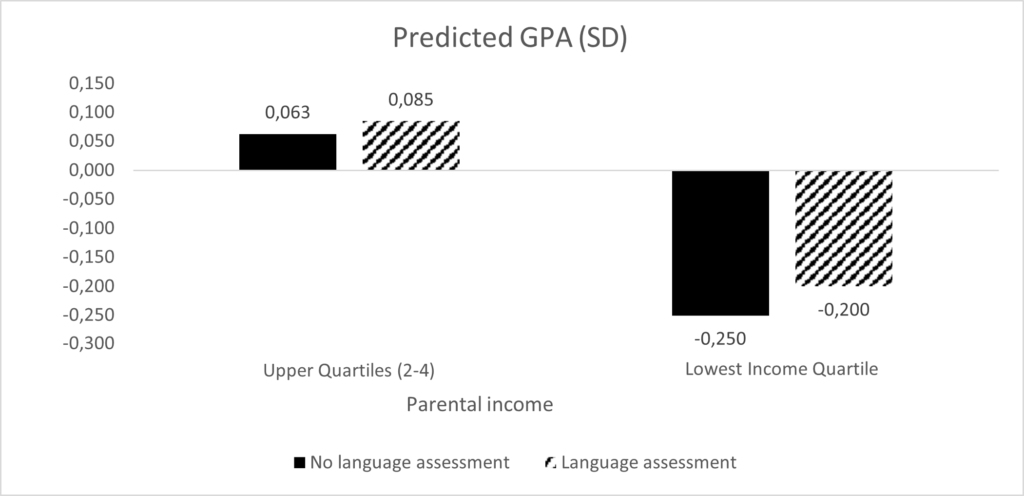
Figure 1.2: Predicted standardised GPA before and after the introduction of mandatory language assessment, by parental income. Source: Authors’ work using data from Statistics Denmark (N=369,962).
Results indicate a modest increase in GPA for both groups following the reform (significant at the 1% level). For students from higher-income families, the predicted GPA increased from 0.063 to 0.085, while for students from low-income families, the increase was from –0.250 to –0.200. This implies that while both groups benefited from the reform, the gain was somewhat larger for the low-income group, corresponding to a slight narrowing of the achievement gap.
In order to assess the impact of a single variable as an average across the entire dataset, we estimate average marginal effects (AME). AME allows us to express the “average effect” of a change in the variables for an “average student”. AME of the reform is significantly larger for low-income students (see Table 1.5), suggesting that the intervention may have had a small equalising effect on academic performance.
Table 1.5: Predicted GPA for higher- and low-income students pre-/post introduction of mandatory language assessment
| Socioeconomic Background | No Language Assessment | Language Assessment | Difference (AME) |
| Not low | 0.063 | 0.085 | 0.022 |
| Low | -0.250 | -0.200 | 0.050 |
| Gap | 0.313 | 0.285 | -0.028 |
Source: Authors’ computations using data from Statistics Denmark (N=369,962)
Accordingly, as shown in Table 1.5 and Figure 1.3, the difference in predicted GPA between the two groups decreased from 0.313 before the reform to 0.285 after.
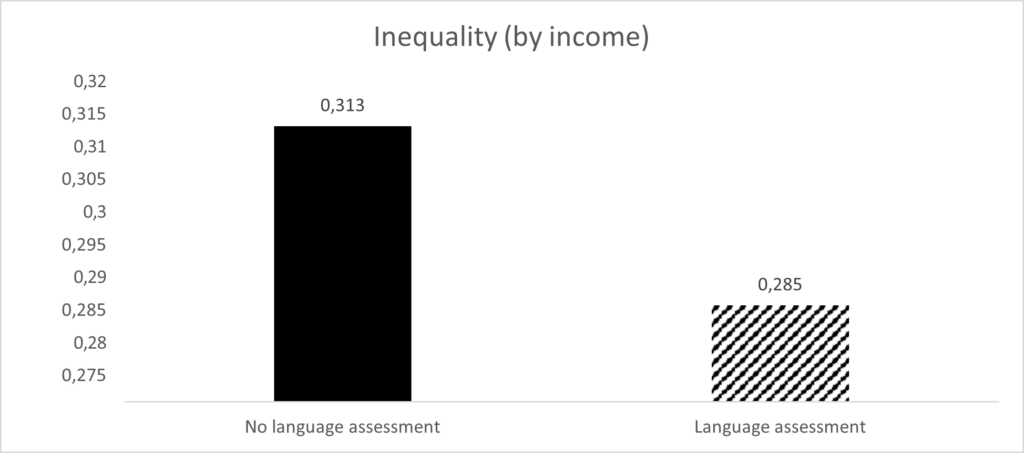
Figure 1.3: Inequality by income before and after the introduction of mandatory language assessment. Source: Authors’ work using data from Statistics Denmark (N=369,962).
Reform effects by parental educational background
We next examined whether the introduction of mandatory language assessment had differential effects based on parental education, using a three-category variable: (1) low education (maximum lower secondary education: ISCED 2), (2) medium education (upper secondary or vocational education: ISCED 3 & 4), and (3) high education (tertiary education: ISCED 5+) shown in Figure 1.4. The effects were found significant at 1% level (low vs. medium) and 5% level (high vs. medium).
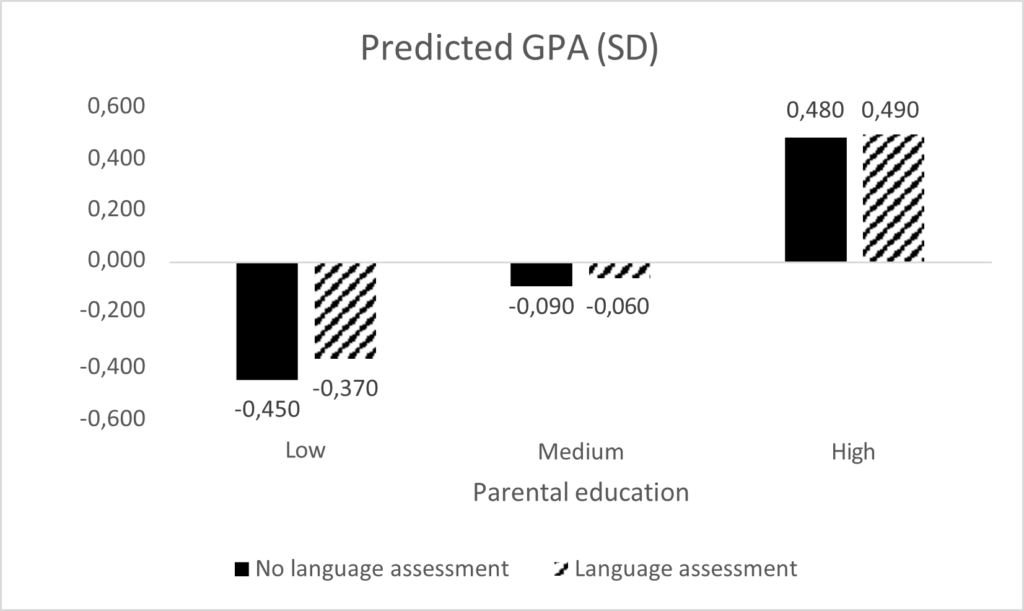
Figure 1.4: Predicted standardised GPA before and after the introduction of mandatory language assessment, by parental education. Source: Authors’ work using data from Statistics Denmark (N=369,962).
The results show improvements in standardised GPA for all educational groups. Among students with low-educated parents, the predicted GPA increased from –0.45 to –0.37, a gain of 0.08 standard deviations. For students with medium-educated parents, the increase was more modest – from –0.09 to –0.06 – while students with highly educated parents saw virtually no change (from 0.48 to 0.49).
Although the relative improvement for students from low-education backgrounds is encouraging, the gap between low- and high-education groups remains substantial (approximately 0.86 standard deviations post-reform). The reform appears to have slightly reduced inequality but not dramatically altered the overall structure of academic disparities tied to parental education.
Average marginal effects (see Table 1.6) support this pattern, showing a larger reform effect for the low-education group compared to the medium and high groups. However, interaction terms are not consistently statistically significant across model specifications, suggesting that the equalising effect of the reform on this dimension may be less robust than for income background.
Table 1.6: Predicted GPA for students with different levels of parental education pre-/post introduction of mandatory language assessment
| Parental Education Level | No Language Assessment | Language Assessment | Difference (AME) |
| Low (ISCED 2) | -0.450 | -0.370 | 0.080 |
| Medium (ISCED 3-4) | -0.090 | -0.060 | 0.030 |
| High (ISCED 5+) | 0.480 | 0.490 | 0.010 |
Source: Authors’ computations using data from Statistics Denmark (N=369,962)
In terms of inequality, differences in GPA between the different groups changed post-reform. Table 1.6 shows changes between low and high and between medium and high parental education, respectively.
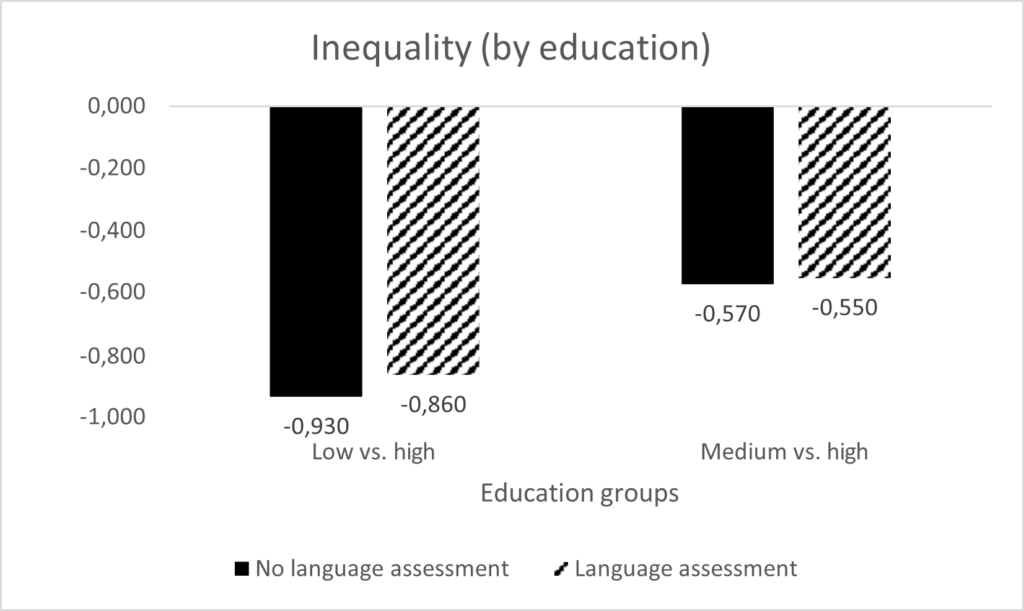
Figure 1.5: Inequality by education before and after the introduction of mandatory language assessment. Source: Authors’ work using data from Statistics Denmark (N=369,962).
As suggested by the figure, gaps narrowed slightly between students with low and highly educated parents after the introduction of mandatory language assessment.
Reform effects by immigrant status
We also examine whether the effect of the introduction of mandatory language assessment varied by immigrant background. While immigrant children have consistently had lower average academic achievement in Denmark (OECD, 2016), it has been a key policy goal to close this performance gap through early educational support. Language development has been seen as a crucial domain for intervention, given that many immigrant children begin school with weaker Danish language skills (Gupta & Simonsen, 2010; Rambøll & EVA, 2011).
Figure 1.6 presents the predicted standardised GPA before and after the introduction of mandatory language assessment by immigrant status. Among children without immigrant background, the predicted GPA increases slightly from -0.02 before the reform to 0.01 after the reform. In contrast, children with immigrant background experience a more marked increase, from -0.01 to 0.11. While the two groups had near-identical performance levels before the reform, a substantial gap emerges post-reform, with immigrant-background students now outperforming their majority peers in standardised GPA when accounting for other explanatory factors. The difference is significant at the 1 percent level.
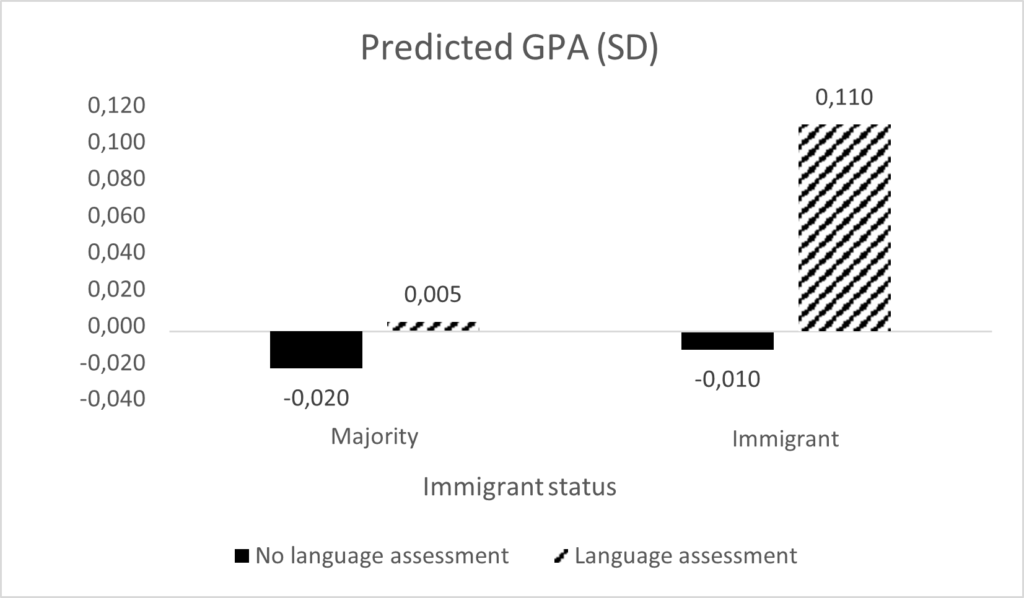
Figure 1.6: Predicted GPA before and after the introduction of mandatory language assessment, by immigrant status. Source: Authors’ work using data from Statistics Denmark (N=369,962).
One possible interpretation is that immigrant-background students benefited more from the reform, particularly because it targeted language acquisition – a domain in which they are more likely to face early challenges. The mandatory language assessment may have increased the likelihood that their language needs were identified and addressed systematically, thereby improving their long-term academic performance.
Bakground-trends must, however, be interpreted with caution. The increase among immigrant-background students may also reflect changes in cohort composition or unobserved confounding factors, such as differences in school or municipal implementation. Descriptively, GPA among immigrant-background students appears to increase already from 2009, which raises questions about whether part of the observed improvement reflects an overall positive trajectory rather than a reform effect.
Overall, the analysis suggests that the reform may have contributed to a reduction in inequality by improving the performance of immigrant-background students more than that of their majority peers. Table 1.7 shows AME as well as the gap before and after the introduction of the mandatory language assessment.
Table 1.7: Predicted GPA for majority and immigrant students pre-/post introduction of mandatory language assessment
| Immigrant Status Background | No Language Assessment | Language Assessment | Difference (AME) |
| Majority | -0.020 | 0.005 | 0.025 |
| Immigrant | -0.010 | 0.110 | 0.120 |
| Gap | -0.010 | -0.105 | -0.095 |
Source: Authors’ computations using data from Statistics Denmark (N=369,962)
Figure 1.7 visualises differences in GPA gap between majority and immigrant students before and after the introduction of mandatory language assessment in order to assess inequality. Due to a large marginal effect for students with immigrant background, differences in GPA remains large after the introduction of mandatory language assessment, although now in favour of immigrant students.
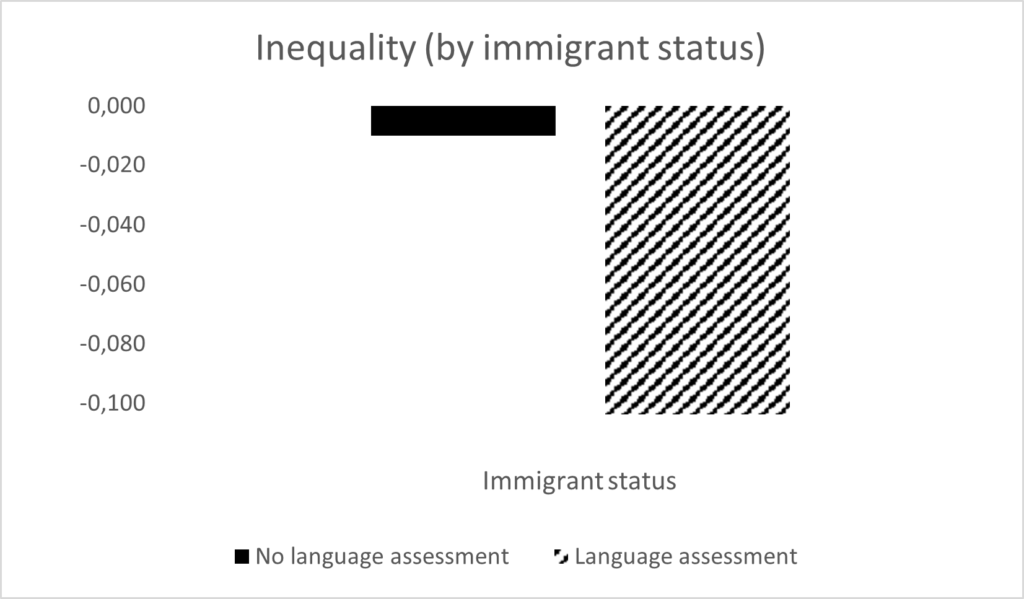
Figure 1.7: Inequality by immigrant status before and after the introduction of mandatory language assessment. Source: Authors’ work using data from Statistics Denmark (N=369,962).
Robustness Checks
To assess the robustness of the estimated effects, we conducted a series of sensitivity analyses addressing potential violations of key assumptions in the ITS design.
First, we tested for the presence of pre-existing trends in the outcome between treated and untreated cohorts. This was done by including a linear time trend and an interaction term between time and the post-reform indicator. Neither term was statistically significant, suggesting no strong evidence of differential trends prior to the intervention, and thus supporting the ITS assumption of parallel pre-trends.
Second, we estimated a placebo reform effect using the 2007 cohort – two years before the policy change. Since no reform was implemented that year, any significant finding would indicate a potential violation of the ITS design assumptions. Indeed, the placebo test yielded a statistically significant and negative effect on GPA, raising concerns about the stability of pre-reform trends or the presence of other unobserved factors influencing student outcomes prior to 2009. This finding suggests that the observed reform effect should be interpreted with caution, as it may partly reflect changes not directly related to the screening policy.
Third, we conducted exclusion tests to assess whether specific school entry cohorts disproportionately drive the results. Excluding the 2007 cohort from the analysis did not materially alter the reform estimate. Similarly, excluding the 2011 cohort – where we observed a noticeable increase in mean GPA – did not meaningfully affect the magnitude or direction of the reform effect. These results suggest that the main findings are not driven by early or late outlier cohorts.
Taken together, the robustness checks indicate that while the main findings are relatively stable across model specifications, the presence of a significant placebo effect in 2007 weakens the causal interpretation of the reform impact. It underscores the importance of considering other concurrent developments in the educational system when evaluating the effects of the 2009 reform.
While the main analyses indicate a substantial positive effect of the reform on the GPA of students with an immigrant background, several robustness checks were conducted to assess the credibility of this finding. First, immigrant-background students showed improvements in GPA already from the 2009 entry cohort – the year the language screening was introduced.
However, no significant pre-trend was detected in the formal test, and the magnitude of the effect increased after 2009, which does not rule out a causal interpretation. Second, analyses excluding specific cohorts showed that the results were not driven by particular entry years. Specifically, when excluding the 2011 entry cohort – where the average GPA was slightly higher across all groups – the reform effect remained stable.
Taken together, although the upward trend among immigrant-background students may reflect broader developments in early education or integration policies, the timing and size of the observed change suggest that the introduction of mandatory language assessment contributed to improved academic performance in this group. Nonetheless, the results and in particular the size should be interpreted with some caution, as other unobserved policy changes or cohort dynamics may also have played a role, in particular the introduction of mandatory grade 0 in 2009 (folkeskolen.dk, 2008).
1.6.2 Interview Results
1.6.2.1. Main developments of the language assessment tests
The language assessment test in kindergarten class is closely connected to and constitutes just one part of a national language assessment programme implemented in both kindergartens (age 3) and kindergarten classes (age 6).
These language assessments are conducted at different levels of education and are overseen by different authorities at both the national and local levels. Despite these differences, it is evident that the two assessments were intended to form an integrated whole, representing a combined effort to mitigate disparities in children’s language development.
In the data material, the two language assessment tests therefore intertwine in the responses of all informants, as they did not always analytically distinguish between the two in their answers. In most cases, it has been possible to determine the referent of the interviewees’ statements during data analysis. In cases where this has not been possible, the interviewees’ statements have not been included in the analysis.
Although informants 2, 3, and 4 all had extensive experience working with the language assessment tests since their implementation in 2009, it was difficult for them to recall precise details regarding the initial development and implementation of the reform initiative.
Informant 2, however, was able to detail how she had worked with language assessment as a politically defined practice at the local municipal level since 2006. She thus drew attention to the fact that language assessment was a common practice in some municipalities prior to the implementation of the tests in schools in 2009, and also before the introduction of language assessment in kindergartens in 2007.
However, these early language assessment initiatives were uncoordinated nationally, as not all municipalities had adopted them as part of their local practice. Furthermore, the practices were diverse in terms of form, content, and resource allocation.
As the language assessments have been conducted annually since 2009, the informants were unable to provide specific details about each iteration of the test. However, they were able to provide corroborative information at a general level regarding the ongoing development of the initiative. They all described how the practice had evolved from a locally diverse and decentralised approach to one increasingly characterised by centralised standardisation and a reduction in critical discourse surrounding the tests.
Informant 1 drew attention to the fact that the language assessment tests had primarily been developed by researchers at Trygfonden’s Centre for Child Research, and that they represented a research strand that had been challenged by researchers from other institutions (Informant 1). According to both Informants 1 and 2, Trygfonden’s Centre had been instrumental in the academic development and ongoing evaluation of the assessments.
When asked about this, Informants 3 and 4 confirmed this view and added that the Centre had been quite successful in winning the Ministry’s open calls for tenders. On her own initiative, Informant 3 – reflecting on the success of the reform – remarked that “a slide in public attitude” had occurred since the initial critical voices were raised, and that the idea of conducting language testing in schools was now perceived, as she phrased it, as more “neutral” (Informant 3). Thus, the interviews suggest that the practice of language assessment have gained popular support over time.
Informant 2 noted that, initially, the language assessment test had been mandatory, although there were no specific requirements for how it should be conducted, and no formalised or standardised requirements for the test material. However, the informant recalled that Aarhus Municipality quickly decided to use a particular test material – an early version of the current test – because it appeared to be “thoroughly and well-grounded in research” (Informant 2).
Informant 1 highlighted challenges related to ministerial support for the language assessments in connection with IT. To support the digital implementation of the tests, an IT solution had at one point been developed. However, in 2017, it was decided that the Ministry would no longer provide IT support for the assessments. Emphasising local autonomy, the development of IT solutions was privatised.
For a time, an older version provided by the Ministry remained in use, but by around 2019, all ministerial IT support was discontinued due to compliance issues with GDPR requirements. For a period, therefore, no ministerial IT support was available, and although it was legitimate to have diverse local practices, the test material provided by the Ministry “kind of required the use of IT support measures” (Informant 1). This account was supported by Informant 3, who confirmed that although the Ministry still provided the test material, local municipalities were responsible for selecting their own IT support provider (Informant 3).
When asked about the effects of this privatisation, Informant 1 responded that there was, in practice, only one private provider of IT support measures, which effectively limited the local freedom of choice. This situation also had the consequence that the IT provider “contributed to the definition of how it was possible to work with language assessment,” which posed a challenge “for better or worse,” as the private provider “had taken some liberties” in the development of IT support that were not aligned with the Ministry’s original intentions (Informant 1).
In the most recent iteration, it was made mandatory to use a specific test material provided on an online digital platform at the following address: sprogvurdering.dk. Informant 1 emphasised that the decision to streamline all language assessments represented a significant and recent shift, marking a departure from the broader policy trend of prioritising local autonomy, which still applies to the age‑3 language assessments conducted in kindergartens.
Informants 3 and 4 were particularly informative in describing how this mandatory digital language assessment had been prepared and subsequently evaluated, as both had played key roles in its development. Prior to the political decision to standardise all language assessments by requiring the use of this specific tool, an extensive trial involving over 7,000 children was conducted.
According to both informants, the trial was highly successful: the new digital platform received positive feedback from stakeholders ranging from the participating children and teachers to local municipalities. The new tests, they emphasised, not only standardised the testing methodology but also significantly reduced the time required to complete the assessment – with an average duration of approximately 19 minutes. This improvement promised increased local efficiency as well as enhanced national measurability and comparability (Informants 3 and 4).
1.6.2.2. Key challenges
The language assessment tests are limited in their scope to only providing data and knowledge about the language development of individual children at the time of the test. Although it is stipulated in the rules and regulations that an inadequate language assessment test result should lead to additional and targeted language development for the child in question, there is no legal requirement on the nature of this additional language support.
The informants were therefore all asked about their knowledge of the measures intended to take effect after a language assessment test had been conducted. Informant 2 noted that schools, in her experience, used the data provided by these tests to ascertain and raise awareness about challenges either at the local school level or at the municipal level.
At the municipality where Informant 2 worked, annual thematic workshops were scheduled with the intent of providing inspiration for continued language development. However, there was no follow-up on the impact of these workshops.
While schools, according to Informant 1, have a more substantial support structure in place for subsequent targeted language support compared to kindergartens, it was mentioned that there was no quality assurance of this support, and that what followed from the tests remained a “black box”.
Informant 1 emphasised that this appeared to be reflecting a decentralising tendency that runs counter to the centralising trend of formalising and standardising the language assessment tests. However, “it is their [the teachers] professional judgement that should go into effect here. And in many ways, it makes perfect sense, because they are the ones with the pedagogical knowledge,” Informant 1 emphasised.
Informant 3 also addressed the lack of knowledge regarding the subsequent language support measures but noted that a recent study might suggest that adequate measures were being implemented – although the study could not specify which measures these were. Nevertheless, this precise question is the topic of an upcoming study at the research centre, according to informant 3.
1.6.2.3. Policymaking and recommendations for the path ahead
As a final question, all informants were asked to provide possible recommendations for policymakers based on their professional experience and insights into successful policy development and implementation. All four informants expressed that the language assessment test regime was exemplary in terms of being a successful reform in which much had been done correctly. As such, they largely based their recommendations to policymakers on this reform experience.
Informant 1 emphasised that successful reforms take time to develop and implement, and that initial unintended outcomes should not necessarily result in the rejection of a reform or an immediate desire for modification.
Patience, she argued, is key to allowing a reform to become embedded within the various parts of the system.
Informant 3 suggested that reforms should be carefully planned, and that conducting pilot studies or test runs on a smaller scale would be beneficial before moving toward large-scale implementation.
Informant 1 additionally emphasised the importance of providing appropriate support to those responsible for implementing a reform at different levels of the system, and the significance of reviewing how a reform is enacted and operationalised. This point was echoed by Informant 2, who stressed the importance of equipping practitioners with relevant knowledge and fostering their professional judgement – not only through increased access to in-service training, but also by allocating the necessary resources to improve working conditions that support reflective and professional practice on a daily basis.
Informant 2 also underlined the necessity of enabling data-informed decision-making. However, while data collection and monitoring were recognised as valuable for analysis, Informant 1 also pointed out that it is vital not to lose sight of the tangible impact on individual children. Informants 3 and 4 likewise stressed the importance of incorporating children’s perspectives more systematically in reform development.
While other stakeholders are often well represented in the policy design process, children frequently lack equivalent representation and influence (Informants 3 and 4).
1.6.3. Media analysis results
Very few articles in the biggest Danish newspapers have focused on the language assessment policy. Much more prevalent were articles about municipal policies in a few cities which involve a combination of pre-school language screening and the practice of “bussing” children scoring below a certain threshold to other schools in the city. These municipal policies are seemingly much more controversial and newsworthy. The analysis below is thus limited to only 13 articles. It is divided into two parts, analysing the media content related to the original policy from 2009 and the amended policy of 2018-2019 respectively.
1.6.3.1. Language assessment and early intervention
The main theme of the first four articles, which focus exclusively on the original 2009 policy, is that language assessment is a necessary but insufficient condition for implementing early interventions intended to rectify linguistic inequalities. There is general agreement in the reviewed articles that it is important to identify children in need of assistance to overcome language difficulties and that the language assessment policy can serve this goal.
Thus, according to a researcher quoted by Jessen (2009), “[i]f a child has good attention to language at the start of kindergarten class, there is less risk that the child will have difficulty reading later.
On the other hand, children with language difficulties have a relatively high risk of having reading difficulties later. Screening at the start of school makes it possible to take preventive action as early as the kindergarten class for the children who especially need it.”
A representative of kindergarten‑class teachers in the country concurs that it is useful to have an assessment of the children’s language skills, but points out that such assessment, without further resources to assist the children in need of help, is insufficient: “It is good if we can quickly identify the children who need extra help. But we are looking forward to seeing if extra resources will be set aside to teach and support the children who, according to the language test, have a poor language” (Jessen, 2009). Language assessments alone are insufficient to rectify linguistic disadvantages.
Another issue concerns collaboration between different educational institutions as well as the timing of language assessments and early interventions; this topic is addressed in the article by Mainz (2014). The article reports on an evaluation conducted by the Danish Evaluation Institute (EVA), which found that “94 percent of 837 kindergarten‑class teachers across the country said that, after starting school last year, they had discovered one or more children in their class with language difficulties.”
However, 55 percent of the teachers were surprised by these findings because they had not been informed by the kindergartens that the children had such difficulties.
The article, which includes statements from two researchers, a kindergarten teacher, and a representative of the Union of Early Education Teachers (BUPL), goes on to present possible explanations for why children with language difficulties are not identified earlier and why some children have more difficulties than others in developing language skills.
Finally, it outlines some of the negative consequences of falling behind classmates in terms of language abilities, thereby underscoring the claim that early language screening in kindergartens should be prioritised and that a more systematic procedure for informing kindergarten‑class teachers should be developed.
Similar views are expressed in the articles by Domino (2017) and Ejsing (2017); the latter presents the findings of a recent report on language assessments in Copenhagen kindergarten classes and records various reactions to these findings from municipal politicians and a researcher.
According to the article, “44.2 percent of non‑Western pupils in the Copenhagen 0th grade were assessed […] as having either a ‘need for extensive language stimulation’ or a ‘need for extra language stimulation’. In 2014, the figure was almost two percentage points higher.
By contrast, only 11.7 percent of 0th‑grade pupils with a Danish or Western background in 2015 were assessed as needing special language interventions.” Both the politicians and the interviewed expert express concern over the results and argue that kindergartens and schools need to do more to assist children with language difficulties.
Similar concerns are voiced by the Minister for Children and Social Affairs, who also invokes the statistics to justify holding immigrant parents to account for not using daycare facilities such as nurseries and kindergartens, asserting that these settings provide children with an “introduction to Danish society” (Domino, 2017).
The final item concerning compulsory language assessments is an opinion piece by Skovhus Larsen (2023), which is considerably more critical of the assessments than the other articles included in the analysis. Skovhus Larsen, a kindergarten teacher, contends that the assessment material is wholly misleading: “Last week, my partner and I completed [the test] in our 0th grade, even though it doesn’t make sense at all. It tests the kindergarten children in something they have not learned yet, and which no one expects a five‑ or six‑year‑old child to be able to do.” Consequently, she argues that rescinding the requirement should be a priority for the Government.
In summary, the language assessment policy is portrayed in the majority of articles as a necessary but insufficient condition for addressing inequalities related to language abilities. It needs to be complemented by earlier assessments and interventions in kindergartens, as well as the necessary resources to make a real difference. However, one piece presents a more fundamental critique of the assessment design.
1.6.3.2. From language assessments to language tests
In 2018 the Danish Government published a strategy called One Denmark Without Parallel Societies. No Ghettos in 2030. One of the initiatives in this plan was later incorporated into the Act on Primary and Lower Secondary School (2019) as a provision requiring language tests of children at the beginning of kindergarten class in schools with more than 30 percent of the pupils living in residential areas on the Government’s list of “vulnerable residential areas,” and pupils must pass the test before they can enter 1st grade (§ 11a).
Children who fail the test must complete a “language‑stimulation course” before taking the next test, and they cannot enter 1st grade before they have passed the test. The representations of this new policy in the articles identified can be divided into two themes: (1) language tests as prerequisites for egalitarian intervention and (2) language tests as impediments to community belonging and well‑being.
The first theme reiterates the previously‑outlined arguments that language
assessments are necessary for identifying children who require intervention. Thus Lund Kristiansen (2018) and Weber (2019) quote two successive Ministers of Education as making this case for the new test.
According to the latter minister, it “is crucial for children to be able to interact on an equal footing with their classmates when they are at school. This requires that the children can function linguistically when they enter 1st grade. The language tests are intended to ensure just that, and we therefore risk that children will be left behind if we do not introduce the tests.”
A similar claim is made in Nilson & Lund Kristiansen (2018) by a child psychologist and an educational expert, as well as in an opinion piece by Jespersen (2019).
According to the experts cited in Nilson & Lund Kristiansen (2018), it is important that children with language difficulties are identified and given the right assistance to catch up with their peers. However, the same experts caution that we also need to be careful not to adopt too narrow a focus on language skills to the detriment of other important domains of learning. As one of the experts states in another interview: “Regardless of the fact that there are some children who pass the second time, it will be the case that those children will already have the feeling that they are worth less than their peers” (Lund Kristiansen, 2018).
The articles under analysis displays the opinion that Identifying children in need of language assistance is commendable, but it is also highlighted that the requirement that they pass a test to be able to continue in 1st grade may have negative consequences for their self‑esteem.
A complementary point is made by a principal of one of the affected schools interviewed by both Littauer (2018) and Weber (2019). The principal agrees that pupils experiencing language difficulties should be identified and assisted, but he also believes that “introducing the possibility of failing kindergarten pupils is not a good idea.” Schools already assess pupils’ language abilities and work with parents and other professionals to assist relevant pupils during the school year before they make an overall assessment, which sometimes results in pupils having to repeat kindergarten class.
But, according to the principal, “it makes no sense to let some children retake kindergarten solely because of language difficulties. You risk putting an otherwise well‑functioning child’s development on hold. In addition, there are consequences for the child, who is excluded from a community and may feel defeated by having to retake the class” (Littauer, 2018).
The social and emotional consequences of the policy are too grave, according to the principal: “I simply think it is ethically wrong that children of six or seven years old have to take a test where you can pass or fail. In this way, it will be the children who will be responsible for not having learned the language well enough.
They are the ones who experience being taken out of the community and having to say goodbye to their friends, and it is harsh” (Weber, 2019). Brief critiques along similar lines are also made in opinion pieces by Broström (2018) and Matthiessen (2019), as well as by Thuesen (2018).
In summary, the media representations of the 2018–2019 language‑test policy pivot between arguments that the policy is essential for equalising educational opportunities and concerns that it poses likely negative consequences for affected children’s social and emotional well‑being.
1.7 Discussion and Conclusion
This report has examined the effects of the 2009 Danish language assessment reform using a multi-methods approach. By combining rich administrative register data, qualitative interviews, and media discourse analysis, we aimed to provide a comprehensive understanding of the reform’s implementation, continued development, impact, and implications. In this section we first present the results of the multi-method study followed by discussion of robustness and limitations.
The findings show that while the reform had a small but statistically significant average effect on standardised GPA by Grade 9, its impact was uneven across social groups and closely linked to variation in local practices and institutional responses.
This highlights both the potential and the limits of universal, early intervention policies in promoting educational equality – particularly when implementation is decentralised and loosely monitored.
The quantitative results indicate that the reform is associated with a small but significant effect on standardised GPA. While modest in size, this effect suggests that early, universal interventions can have long-term academic benefits.
The interaction analyses reveal unequal effects across social groups: students from low-income and low-education families experienced slightly larger improvements, suggesting a narrowing of performance gaps in line with the reform’s ambitions.
The reform was associated with a markedly larger improvement in academic performance among immigrant-background students than among their majority peers. While the GPA of majority students remained largely stable, immigrant students experienced a significant post-reform increase in standardised GPA, leading to a noticeable widening of the achievement gap in their favour. These heterogeneous effects support the idea that standardised assessments can benefit groups that previously lacked access to early identification and support structures.
Importantly, the analysis does not isolate the effect of the language assessment from the concurrent introduction of compulsory Grade 0, which also took place in 2009.
These reforms jointly represented a major institutional shift in early education in Denmark and should be understood as a combined policy package. The fact that students were both required to start school earlier and undergo language assessment likely contributed to the observed outcomes. Additionally, it is important to note that the most recent cohorts included in the analysis may have been affected by the COVID-19 pandemic.
In particular, students who started Grade 0 in 2012 and thus completed Grade 9 in 2021 were exposed to disrupted schooling due to national lockdowns.
Moreover, they were partly exempted from final exams, and their GPA scores may reflect teacher-assigned grades rather than standardised assessments. This makes comparisons with earlier cohorts more uncertain and could bias estimates of long-term academic performance in the final cohort.
The qualitative interviews reveal substantial variation in how the reform was implemented and how the language assessments evolved locally over time. In the absence of a national control mechanism, there was no guarantee of consistent application or systematic follow-up across schools. This effectively left it to individual teachers to interpret and act upon assessment results in their pedagogical practice.
Some schools had already developed local screening routines prior to 2009 and were thus better prepared, while others had to establish procedures from scratch. These insights align with findings from the media analysis, which show that the reform was initially framed as a necessary (but insufficient) policy to address unequal early support.
However, over time, the public discourse became less critical, although critics continue to point at the lack of a clear implementation strategy and the additional workload imposed on schools without corresponding resources. These qualitative insights help to contextualise the modest average effects found in the quantitative analysis. The potential of early assessment to improve outcomes may depend not only on its introduction, but on the extent and quality of follow-up.
The observed improvement in outcomes for immigrant-background students, for example, may reflect a stronger institutional response to language needs when assessments made those needs visible. However, given that some schools already conducted language assessments before the reform, the marginal benefit of the national requirement may have been smaller in those settings.
The robustness of the main findings has been tested through a range of model specifications and sensitivity analyses. The positive average effect on GPA remains statistically significant when controlling for socio-demographic characteristics, time trends, and school fixed effects. Placebo tests using 2007 as a ‘fake’ reform year produce a significant negative effect on GPA.
This unexpected result raises concerns about unobserved factors or coinciding changes around that time and suggests that the observed effects in 2009 should be interpreted with caution. However, additional robustness checks show that excluding the specific cohorts, such as 2007, does not substantially alter the main findings, lending support to the interpretation that the 2009 policy change played a central role.
Moreover, interaction models show no significant differential pre-trends, further strengthening the causal interpretation. As such, the results appear robust across multiple empirical checks.
The substantial post-reform improvement for immigrant-background students warrants special attention. While these students did not differ significantly from majority students prior to the reform, their predicted GPA increased considerably more after 2009.
Event study models indicate that this trend accelerated after the reform, although improvements had already begun around 2009. It is plausible that both the earlier school entry and the systematic identification of language needs contributed to these gains, particularly for children acquiring Danish as a second language. Still, the precise mechanisms remain unclear, and further research is needed to disentangle the effects of institutional change, demographic shifts, and broader policy developments during the period.
Taken together, these findings suggest that early language assessment, when implemented at scale, can contribute to small but meaningful improvements in academic achievement and help reduce inequalities among key demographic groups. Universal programs with structured follow-up procedures may be particularly beneficial in contexts where prior practices were fragmented and unevenly implemented.
However, the modest average effects underscore the need for comprehensive support systems that go beyond assessment alone to achieve substantial improvements in educational inequality.
Appendix
Table A1: Effect of mandatory language assessment on GPA (standardised) in 9th grade
| Regressor / Control | (1)Raw effect | (2)+ Time trends | (3)+ Controls | (4)+ School FE | (5)+ School-cohort FE |
| Mandatory language assessment (MLA) | 0.004 (0.003) | -0.006 (0.010) | 0.035*** (0.009) | 0.031** (0.010) | 0.031*** (0.009) |
| Time trend in GPA (TT) | -0.000 (0.003) | 0.006* (0.003) | 0.005 (0.003) | 0.005 (0.003) | |
| TT $\times$ MLA (Interaction) | 0.002 (0.004) | -0.018*** (0.003) | -0.017*** (0.004) | -0.017*** (0.003) | |
| Age at school entry | -0.206*** (0.005) | -0.212*** (0.006) | -0.212*** (0.005) | ||
| Immigrant background | 0.048*** (0.006) | 0.063*** (0.010) | 0.063*** (0.007) | ||
| Low parental education | -0.349*** (0.005) | -0.335*** (0.007) | -0.335*** (0.006) | ||
| High parental education | 0.648*** (0.004) | 0.559*** (0.005) | 0.559*** (0.004) | ||
| Low income | -0.338*** (0.004) | -0.302*** (0.005) | -0.302*** (0.004) | ||
| Female | 0.349*** (0.003) | 0.348*** (0.004) | 0.348*** (0.003) | ||
| Mother outside labor market | -0.202*** (0.004) | -0.190*** (0.005) | -0.190*** (0.005) | ||
| Constant | -0.000 (0.003) | -0.000 (0.004) | 1.116*** (0.028) | 1.160*** (0.034) | 1.160*** (0.032) |
| $R^2$ | 0.000 | 0.000 | 0.195 | 0.219 | 0.219 |
| Observations | 369,962 | 369,962 | 369,962 | 369,962 | 369,962 |
Standard errors in parentheses. * p < 0.05, p < 0.01, *** p < 0.001 Source: Authors’ computations using data from Statistics Denmark
Table A2: Heterogeneous effects of mandatory language screening across parental background
| Regressor / Interaction | (1)Income | (2)Education | (3)Immigrant |
| Mandatory language assessment (MLA) | 0.023* (0.010) | 0.028** (0.010) | 0.022* (0.009) |
| Low income (LI) | -0.317*** (0.006) | ||
| MLA $\times$ LI (Interaction) | 0.028*** (0.009) | ||
| Low education (LE) | -0.366*** (0.009) | ||
| High education (HE) | 0.572*** (0.006) | ||
| MLA $\times$ LE (Interaction) | 0.056*** (0.011) | ||
| MLA $\times$ HE (Interaction) | -0.021** (0.007) | ||
| Immigrant (I) | 0.006 (0.010) | ||
| MLA $\times$ I (Interaction) | 0.097*** (0.013) | ||
| Constant | 1.168*** (0.032) | 1.165*** (0.032) | 1.172*** (0.032) |
| $R^2$ | 0.219 | 0.219 | 0.219 |
| Observations | 369,962 | 369,962 | 369,962 |
Standard errors in parentheses. * p < 0.05, p < 0.01, *** p < 0.001. Note: Models include all control variables and fixed effects from Table A1 Model 5. Source: Authors’ computations using data from Statistics Denmark
Glossary
| Term | Definition |
| Individual learning plan [elevplan] | From kindergarten class through grade 9, every student must have an individual student plan for ongoing evaluation, as required by Folkeskoleloven [the Danish Folkeskole Act] (§13b). |
| Trygfonden’s Centre for Child Research [TrygFondens Børneforskningscenter] | Trygfonden’s Centre for Child Research is an interdisciplinary research centre at Aarhus University BSS. They specialise in scientific impact evaluation, randomized controlled trials, and econometric analysis of child development. |
| Danish Evaluation Institute [Danmarks Evalueringsinstitut – EVA] | EVA produces and shares independent, policy-relevant knowledge that supports quality development in early childhood provision and education. |
| Department of Education and Quality [Styrelsen for Undervisning og Kvalitet – STUK] | STUK is a subsection under the Ministry of Education that works to strengthen the quality of early childhood provision and education for all children, students, and adult learners by translating knowledge and data on effective practice into actionable guidance across the education system. |