Early Childhood Education and Care

Educational inequality and Early Childhood Education and Care (ECEC)

Educational inequality remains a fundamental challenge for modern democracies, dictating long-term outcomes in employment, health and wealth. 

Research indicates that these disparities are not just a product of schooling but are evident as early as 9 months of age, with children from migrant, ethnic minority and low-income backgrounds facing the steepest barriers. To mitigate these early gaps, inclusion in Early Childhood Education and Care (ECEC) has been a critical lever for fostering equity.

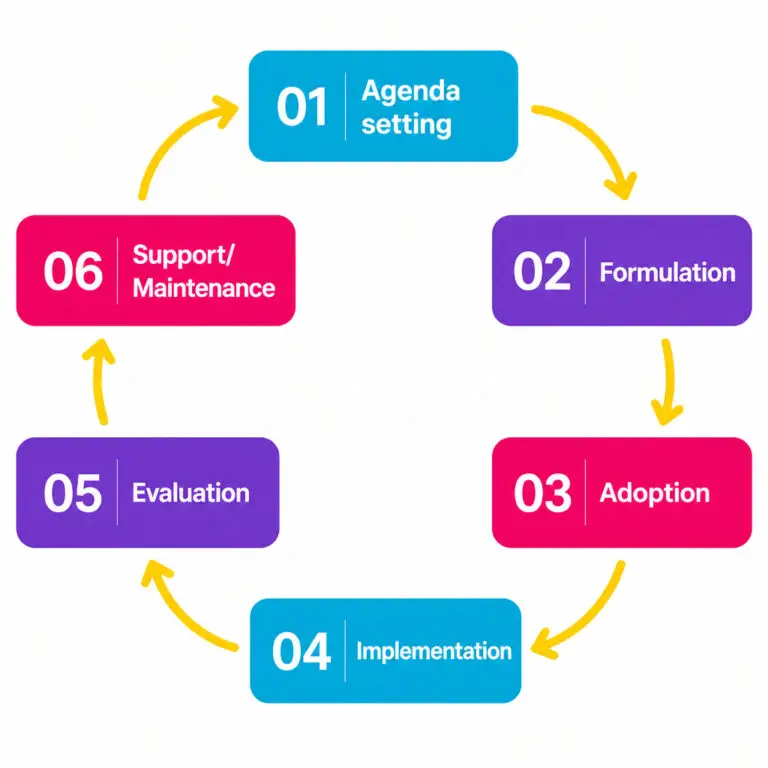
The Policy Cycle

In this section, the STRIDE Toolbox offers state-of-the-art, evidence-based, interactive tools to inspire, guide, and inform ECEC policymaking, from problem identification to successful implementation, evaluation, and maintenance.

The policy cycle as a model is used to scrutinize each step of policy development, implementation and evaluation.


Illustration of the policy cycle

The National Cases

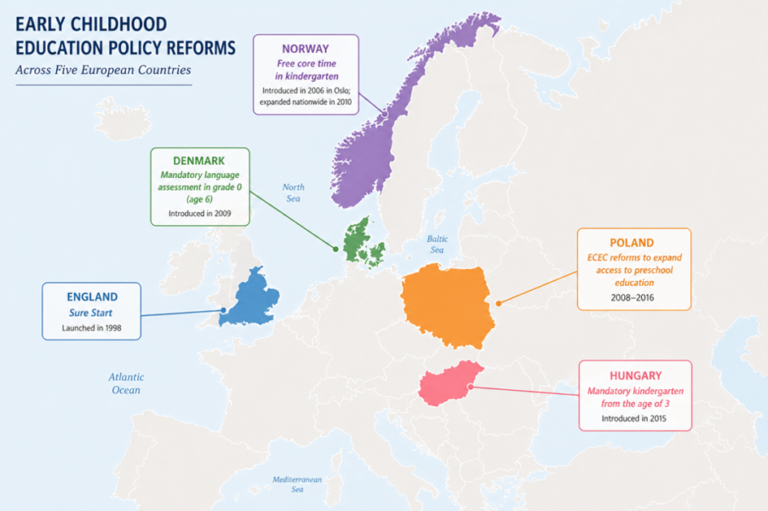
The national Cases are country cases that address early childhood educational inequality across five national contexts: Denmark, Norway, Hungary, Poland, and the UK.

Each case study provides a detailed analysis of different approaches to mitigating educational inequality using the policy cycle model as an analytical framework.

Comparative Research

The comparative section provides further insights into early childhood education
policymaking.

It offers key policy and practice recommendations, organised across all the stages of the policy cycle framework and spanning international, national and local levels.

Children playing in the kindergarten, having a great time